Tickets
Performed by Hooda’s own grandparents and villagers, this quiet, mesmerising para-fiction lets fog, silence and rural ritual open a space between lived reality, memory and myth.
No items found.
No items found.
No items found.
No items found.
Original title: खाल-बछड़ा (Khaal-Baccha) Year: 2026 Duration: 90 min Country: India Language: Haryanvi Subtitles: English Director: Ankur Hooda Screenwriter: Ankur Hooda Cinematographer: Anish Sarai Editor: Ankur Hooda Production designer: Achal Mishra Sound: Bigyna Dahal, Himang Pali Music: Madhav Agarwal, Vishesh Kalimero Producers: Ankur Hooda, Ayushi Gupta, Anish Sarai With: Satbir Singh Hooda, Chameli Devi, Dheeraj Kumar, Mukesh Bhati

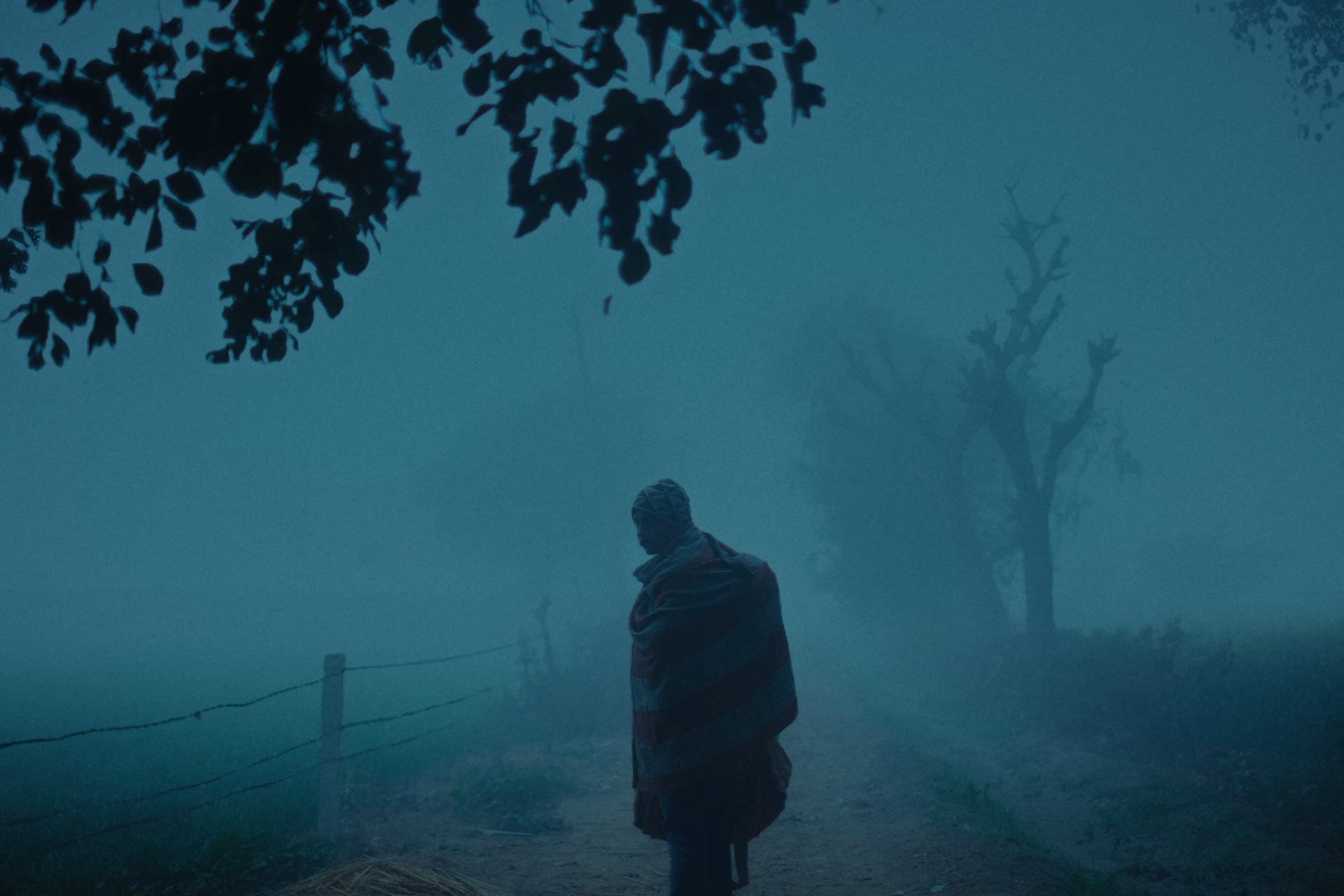
In the village of Dayalpur in Haryana, Satbir is a retired professor who now lives with his wife on a small farm. The fields are veiled in smog, the young are leaving for jobs in the city, and the rhythms that once gave shape to rural life are slowly disappearing. 

Then his only cow gives birth to a stillborn calf and stops producing milk. Desperate to save his livelihood, Satbir turns to a ritual passed down through his family. His wife warns him against the forbidden practice, but he becomes increasingly consumed by it as reality, memory and superstition begin to blur.

Ankur Hooda filmed in his ancestral village, casting his grandparents and other residents as alternative versions of themselves. Developed through improvisation and lived experience, The Calf Doll inhabits an elusive space between fiction and documentary. Anish Sarai’s patient compositions transform fog-covered fields, animals, trees and solitary bodies into images of strange and melancholic beauty.

No items found.
Director: The Calf Doll

The villages of Haryana have been central to Ankur Hooda’s filmmaking from the beginning. After spending his formative years in Dayalpur, he studied advertising in Mumbai while teaching himself filmmaking. His debut feature, The Calf Doll (2026), grew from memories of his grandfather, cattle, farming and the folk beliefs of the region. Shot in his ancestral village, the film casts Hooda’s grandparents and local residents as versions of themselves, using improvisation and lived experience to blur the line between fiction and documentary.

No items found.
No items found.
No items found.
No items found.