Since 2024, Vienna-based curatorial collective Twentysix have been organising site-specific screenings of short films. Each event is dedicated to one of the twenty-six letters of the Latin alphabet, which sets the theme for the programme: (A)rchitecture, (B)iography, etc.
For MIRAGE, Twentysix present a special edition based around a non-alphabetic sign, with the title (⏯) itself (“Play itself”). Bringing together three very different short films by Laslo Chenchanna, Deborah Stratman and Apichatpong Weerasethakul, the programme examines the experience of watching films itself. What happens before, during, and after a film begins? What new kinds of realities can digital images produce – and under what conditions do we choose to believe in them?
After the event, Robert Bergmann and Julian Ernst of TwentySix will be in conversation with Mike Sperlinger.
Hacked Circuit
By Deborah Stratman, 2014, 15 min
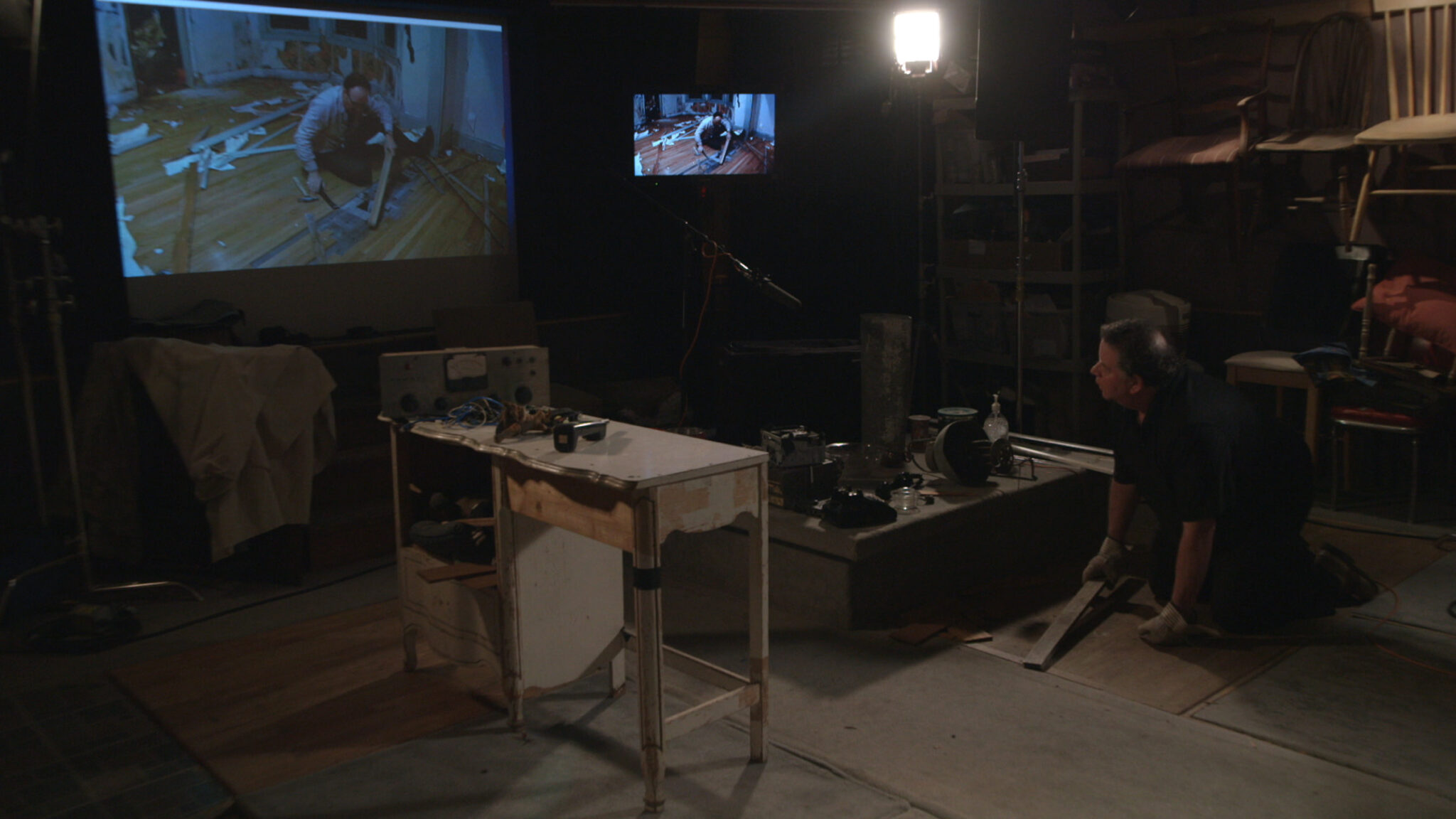
The circular camera path moves us inside and back out of a Foley stage in Burbank, CA. Its single shot, portrays the Foley process, while revealing multiple layers of fabrication and imposition. In portraying sound artists at work typically invisible support mechanisms of filmmaking are exposed, as are, by extension and quotation, governmental violations of individual privacy. The scene being foleyed is the final sequence from The Conversation where Gene Hackman's character Harry Caul tears apart his room searching for a 'bug' that he suspects has been covertly planted. The complication of the seen, the known, the heard and the undetectable provides thematic parallels between the stagecraft of Foley and a pervasive climate of government surveillance.
Sea of Simulation
By Laslo Chenchanna, 2021, 10 min
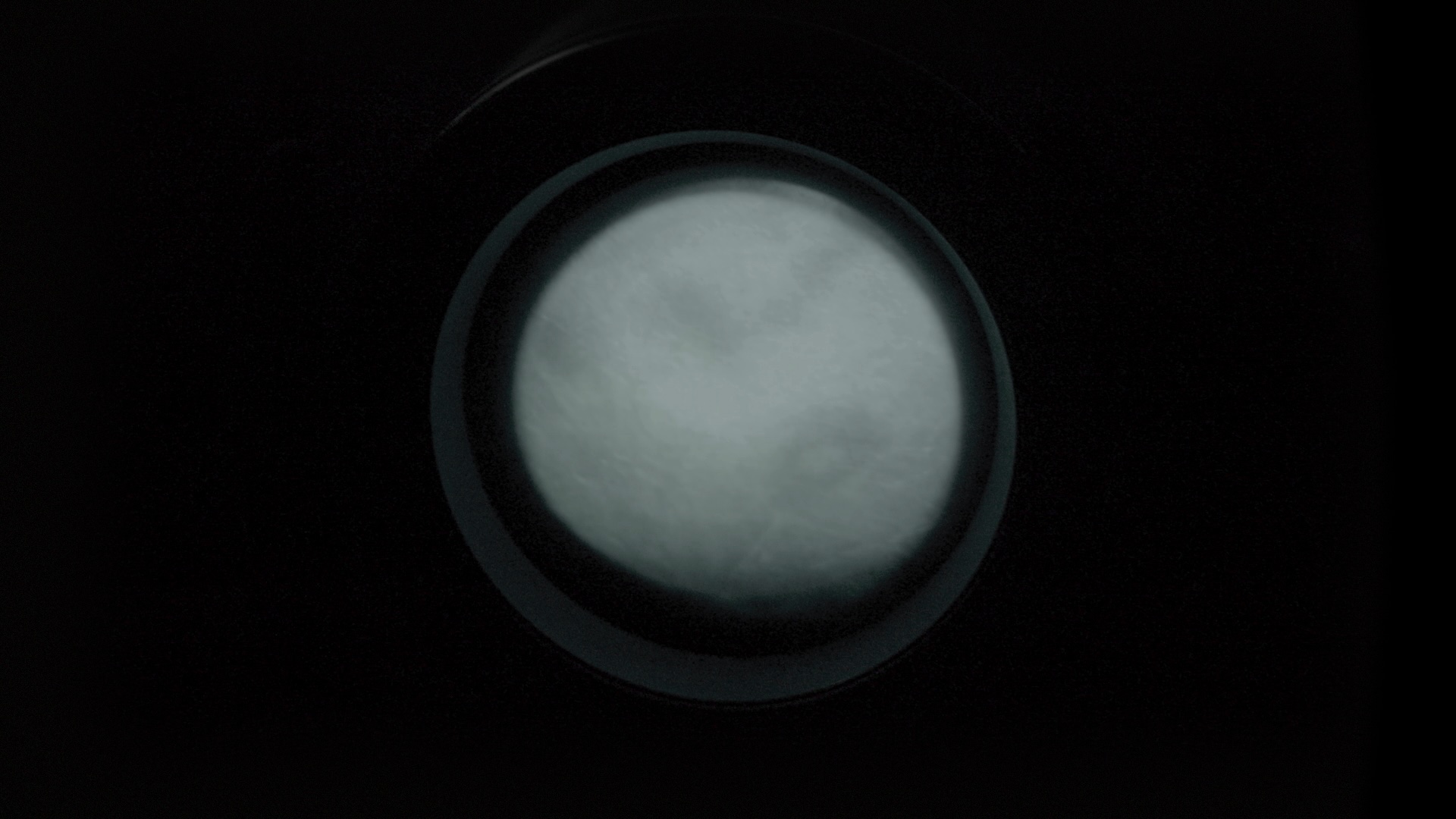
Following the concept of a materialization chain, the video shows an LCD video projector giving its last light to materialize a slice of the sea of simulation. Initially produced specifically to be screened at the Helios Cinema, which Laslo Chenchanna built himself, the work considers the cinema as both a space of projection and a material condition for the image to appear. The projector becomes part of this chain: a physical device producing an image that exists only through its projection onto another surface. The sea depicted here with its endless crushing and reforming of waves suggests a continuous process of transformation. Formless in itself, it is capable of taking on whatever form is projected onto or reflected within it. The sea becomes a space between materiality and simulation, constantly shifting between surface and substance.
Worldly Desires
Apichatpong Weerasethakul, 2005, 40 min
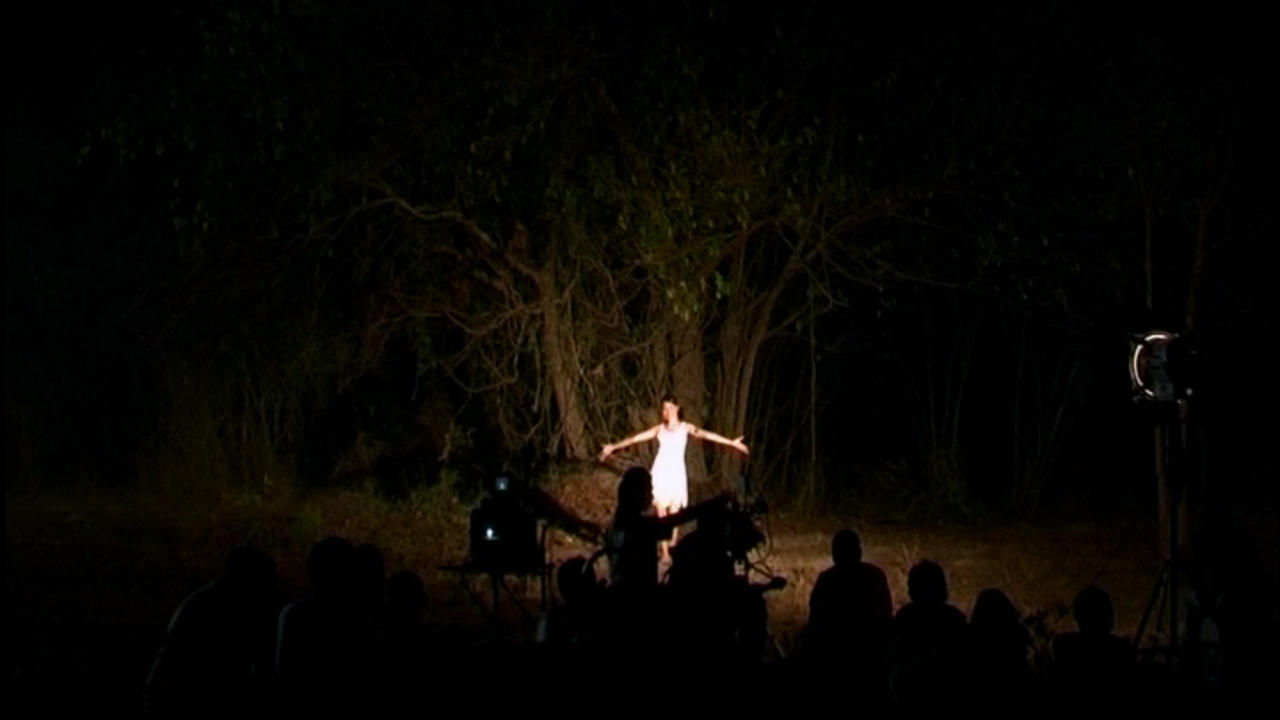
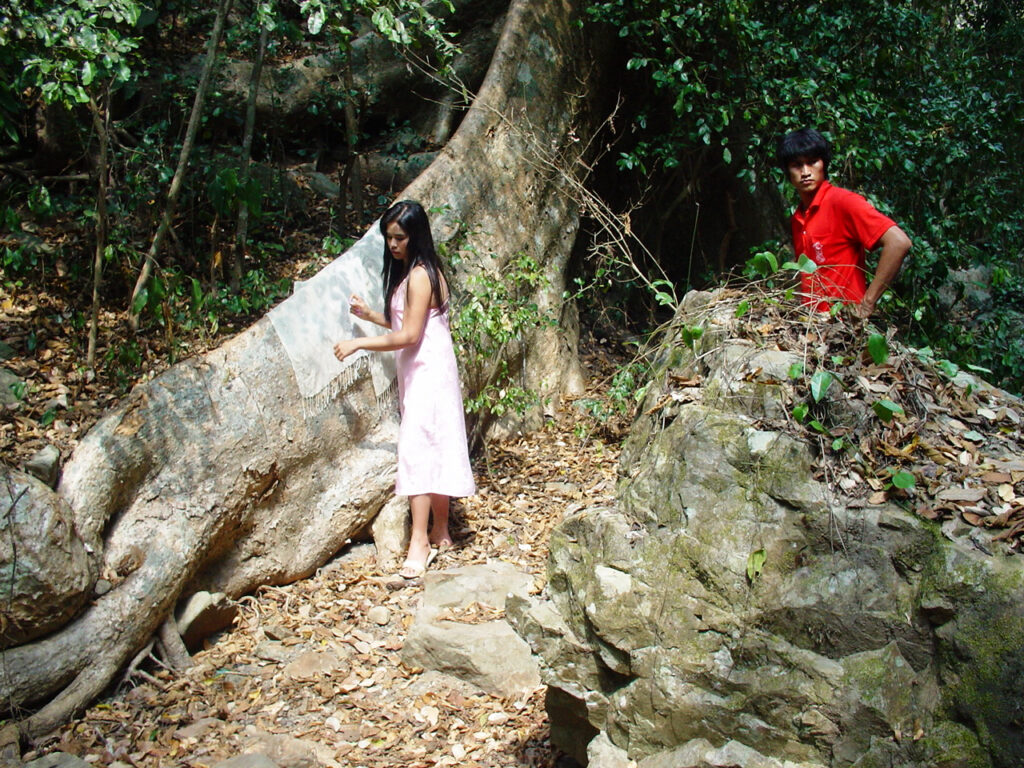
A couple escapes their family to look for a spiritual tree in the jungle. At night, a song emerges—an innocent reflection on love and the search for happiness. Worldly Desires is an experimental project in which a filmmaker friend, Pimpaka Towira, was invited to shoot the love story by day and the song by night. The story, Deep Red Bloody Night, was written by the filmmaker’s assistant, who wanted to revisit a forbidden love story in a more romantic time in the past. A pop song, “Will We Be Lucky?” , is used to convey the guilty freedom one feels when being struck by love. Worldly Desires is dedicated to the memories of filmmaking in the jungle between 2001 and 2005, where the boundaries between fiction and lived experience become part of the film itself.
This event was made possible with the support of the Austrian Embassy, Oslo.